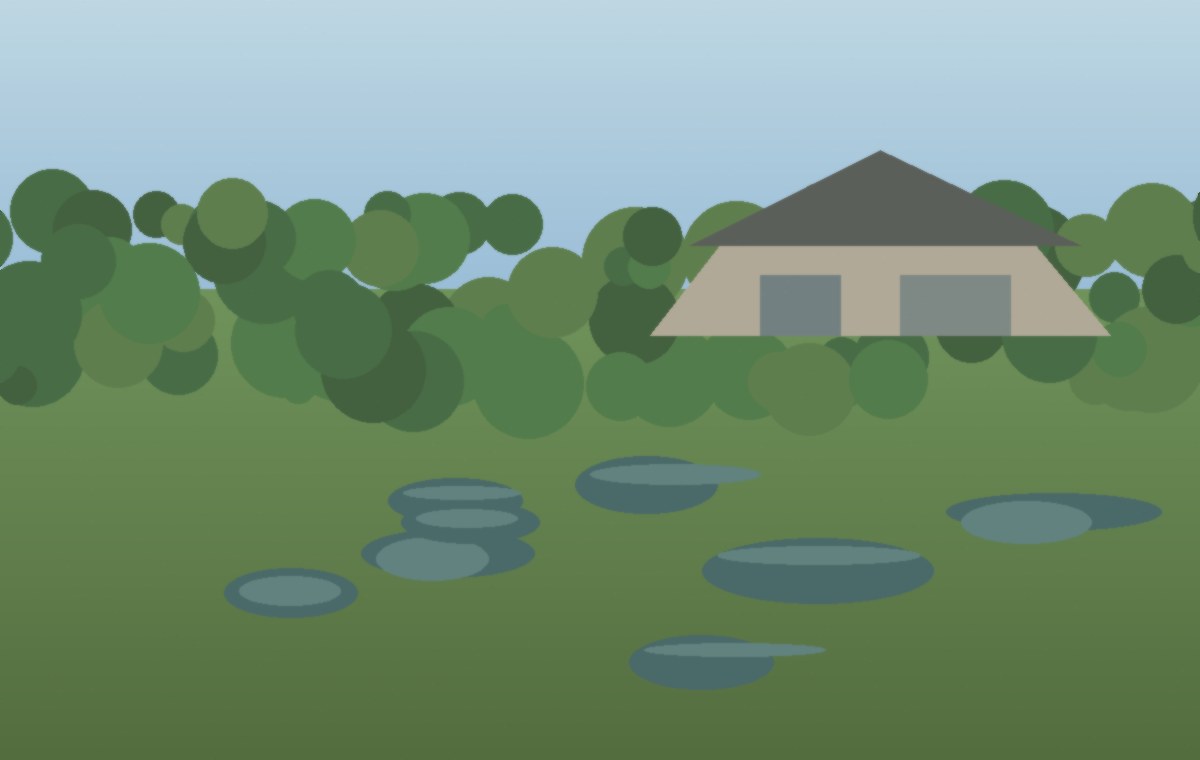
When a Cary yard stays wet after storms, the useful first step is understanding where water is coming from, where it naturally wants to move, and what a safe discharge path can look like. Share the symptoms, photos, and access details so an experienced drainage professional can review the situation and follow up about the right next step.
Drainage conditions worth documenting
Start with where water collects, not with a one-size-fits-all trench.Pipe, stone, fabric, slope, and outlet details matter as much as the trench location.A good plan should move water away cleanly without creating a new problem downhill.
Why Cary yards need careful drainage diagnosis
Cary homes can see very different drainage problems from one neighborhood to the next, especially where Piedmont clay, dense infill lots, greenway-adjacent slopes, subdivision swales, roof valleys, and hardscape additions push stormwater into low side yards or toward crawlspaces. Properties near established neighborhoods, newer West Cary subdivisions, wooded buffers, and Research Triangle commuter corridors often combine compacted soil with short downspouts, tight side-yard access, patios, HVAC pads, and HOA-controlled discharge limits. A French drain may be part of the answer, but the layout only works when the water source, collection point, slope, utilities, and safe outlet are understood together.
Before planning a drain line, a professional will usually want to know when the water appears, how long it stays, whether it is surface puddling or subsurface seepage, and whether gutters, irrigation, neighbor runoff, or hardscape edges are adding to the load. Photos taken during or right after rain are especially useful. The best project notes show the wet area, the nearest downspouts, any retaining walls, fences, patios, HVAC pads, utilities, crawlspace vents, and the likely direction water should leave the property.
Common French drain installation situations in Cary
Many Cary French drain conversations start with soggy turf, mulch beds that wash out, crawlspace humidity, or a side yard that stays soft long after storms move through Wake County. In those cases, the drain may need to intercept shallow subsurface water, collect roof runoff before it spreads, or tie into a broader grading and downspout-extension plan. Around foundations and crawlspaces, the concern is different: the design must protect the home, avoid sending water toward the footing, and coordinate with gutters, grading, vent wells, patios, driveway edges, and any existing waterproofing. Along narrow side yards, fences, townhome-style spacing, or landscaped HOA areas, the project may require careful access planning while still reaching daylight or another safe discharge area.
For sloped lots and backyards near wooded edges, the question is often whether water is coming from uphill sheet flow, roof runoff, irrigation overuse, or a low area with poor outlet options. A drain that only treats the puddle can fail if the real source keeps reloading the area. A better review looks at the full water path: source, collection, pipe route, gravel envelope, filter fabric, cleanouts, outlet, erosion control, and maintenance access.
What to share before a drainage callback
Photos of the wet area from multiple angles, including one photo during or soon after rain if available.
Notes on how long water remains and whether it appears after every rain or only heavy storms.
Approximate dimensions of the problem area and where you think water could safely discharge.
Whether the concern is foundation moisture, unusable lawn, erosion, mosquito-prone standing water, or damage near a patio or driveway.
These details do not replace an on-site assessment, but they help narrow whether the likely discussion is a French drain, downspout extension, catch basin, grading correction, swale, dry creek bed, or a combined drainage plan. Actual scope, price, timing, licensing, warranty terms, and material choices should be confirmed directly with the professional before scheduling.
Cary service-area planning notes
This page is focused on Cary, North Carolina homeowners, including properties in established neighborhoods, West Cary subdivisions, wooded Wake County lots, sloped driveways, homes near greenway corridors, and yards with tight side access between neighboring homes. Local drainage projects often need to account for Piedmont clay, heavy summer storms, gutter concentration, crawlspace moisture risk, utility corridors, HOA review, and outlets that must avoid washing across sidewalks, driveways, neighboring yards, landscaped beds, or public drainage features. If the property has recent construction, an HOA, a nearby easement, or a known drainage swale, include that context in the callback request.
Helpful homeowner FAQs
How do I know if a French drain is the right fix for my Cary yard?
A French drain is most useful when water needs to be collected below the surface and carried to a safe outlet. If the issue is a short downspout, a grading dip, compacted soil, or hardscape trapping surface water, the solution may include other drainage work instead of a French drain alone. Photos and timing notes help a professional identify the likely source before recommending a layout.
What makes Cary Piedmont clay difficult for drainage projects?
Piedmont clay can hold water near the surface and dry slowly after storms. That means the drain route, gravel envelope, filter fabric, slope, and discharge point need to be planned carefully. A shallow trench in the wrong place can clog, sit flat, or simply move water from one wet spot to another.
Where should collected water discharge?
The safest outlet depends on the property. Water should not be directed toward a foundation, crawlspace, neighbor, public sidewalk, driveway hazard, or erosion-prone slope. A professional review may look for daylight, an approved drainage feature, a pop-up emitter, or another compliant outlet option based on the site.
What should I photograph before requesting a callback?
Take photos of the wet area, nearby downspouts, slope direction, patios, retaining walls, fences, gates, crawlspace vents, and any place water currently exits or pools. If you can safely capture pictures during rainfall or immediately after, those are often more useful than dry-weather photos.
Can a French drain help with foundation moisture?
It can help in some situations, but foundation moisture should be reviewed carefully. The source may be roof runoff, grading, saturated soil, a failed exterior drain, or another waterproofing issue. The drain layout should avoid creating pressure near the footing and should be coordinated with downspout and grading corrections where needed.
Project details that affect the plan
Access, slope, and existing landscaping can shape the installation path.Useful project planning looks at pipe route, cleanouts, filter fabric, stone, and discharge.Local conditions matter: Piedmont clay, storm flow, shade, HOA limits, and tight side yards all change the scope.